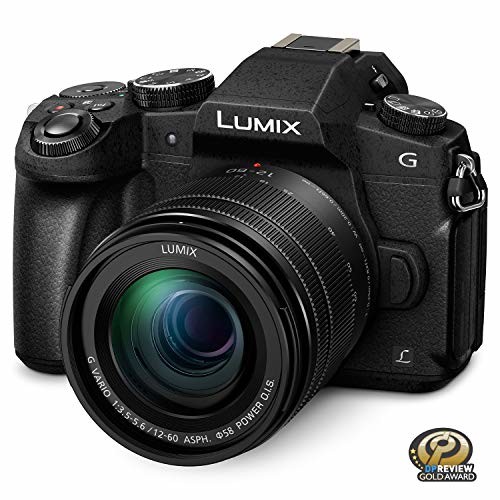
PANASONIC LUMIX G85 4K Digital Camera, 12-60mm Power O.I.S. Lens, 16 Megapixel Mirrorless Camera, 5 Axis In-Body Dual Image Stabilization, 3-Inch Tilt and Touch LCD, DMC-G85MK (Black)
For today’s interchangeable lens camera enthusiasts or anyone looking for a lighter, newer more intelligent alternative to bulky DSLRs, the Panasonic LUMIX 4K Digital Camera DMC-G85MK with 12-60mm Power O.I.S. lens delivers impressive, no-compromise performance. This 4K Mirrorless Micro Four Thirds camera is nearly half the size of most DSLRs yet delivers impressive 16-megapixel large
For today’s interchangeable lens camera enthusiasts or anyone looking for a lighter, newer more intelligent alternative to bulky DSLRs, the Panasonic LUMIX 4K Digital Camera DMC-G85MK with 12-60mm Power O.I.S. lens delivers impressive, no-compromise performance. This 4K Mirrorless Micro Four Thirds camera is nearly half the size of most DSLRs yet delivers impressive 16-megapixel large sensor performance in the most compact camera system ever designed by Panasonic LUMIX. Thanks to the elimination of the low pass filter, its fine detail-resolving power is boosted nearly 10% over previous 16-megapixel sensors. Image stabilization is top of its class with the complementary LUMIX 2-axis lens O.I.S. and a new 5-axis in-body I.S., available in either photo or video recording modes. Camera purists will enjoy the familiar quick-access thumbwheel controls and integrated 2360K-dot eye-level electronic live viewfinder, plus an articulating flip LCD display for greater flexibility in difficult shooting angles. Modern enthusiasts will love the Wi-Fi mobile control and next-generation flexibility that 4K Video, 4K PHOTO and 4K Post Focus modes bring to the creative experience. Recording media – (Compatible with UHS-I / UHS-II UHS Speed Class 3 standard SDHC / SDXC Memory Cards)
Product Features
- FINE DETAIL PERFORMANCE: 16-megapixel Micro Four Thirds sensor with no low pass filter resulting in a near 10% boost in fine detail-resolving power over existing 16-megapixel Micro Four Thirds sensors
- MIRRORLESS INTERCHANGEABLE LENS CAMERA: With 12-60mm lens, shoot lighter and faster with the modern hybrid photography performance of a mirrorless camera and nearly half the bulk of most DSLRs
- CLASS-LEADING DUAL IMAGE STABILIZATION: In-body 5-axis dual image stabilization works in both photo and motion picture recording-including 4K video-to produce clear handheld shots even in low-light conditions
- LIVE VIEWFINDER AND FLIP LCD DISPLAY: Integrated eye-level OLED live viewfinder (2360K dots) and rear touch-enabled 3-inch LCD display (1040K dots) adjusts for optimal viewing angles to maximize viewing
- 4K VIDEO CAPTURE: 4K QFHD video recording (3840 x 2160), plus exclusive LUMIX 4K PHOTO and 4K Post Focus allows you to record photos up to 30fps and set your desired focus points after the photo has been taken

















', 'https%3A%2F%2Ftimelessexchange.com%2Fcamera%2Fpanasonic-lumix-g85-4k-digital-camera-12-60mm-power-o-i-s-lens-16-megapixel-mirrorless-camera-5-axis-in-body-dual-image-stabilization-3-inch-tilt-and-touch-lcd-dmc-g85mk-black'))
One of the best value cameras out today! Highly recommend to all! One of the best value camera out there. Hands down.For current users, I highly suggest to do the following: Go to menu –> Setup –> beep (page 2) –> Turn off the beep volume and E shutter volumeThis was a huge annoyance for me at first, and I was relieved to find it in the settings.Battery saving options are also within the page 2 of setup such as Live View Mode (30fps), Monitor Luminance, and Economy.Pros:Stills quality is very nice and sharp,…
Reasonably priced Micro 4/3s Progress I have been thinking of buying the OMD EM1 Mark 2. I am an enthusiast and take pictures of my family and for travel. Many years ago, I sold my Canon bodies/lenses to get into Micro 4/3âs. Like many, my investment in film lenses led me to Canon bodies in the electronic world. However, it became clear to me that the electronic world offered new opportunities as the technology improved. It looked like Micro 4/3 sensors would be the sweet spot for most photography in this new world. My first…
I love this camera I love this camera. Here are a few points to know:- stabilization is insanely good; practice just walking with it if in wide angle mode.- custom settings are very important to learn and use well. Learn what they save and what they don’t, and differences between photo and video modes. This is very important and I suggest you watch youtube to learn this. I personally use c1 for auto photo (and video), c2a for custom manual video, c2b for auto video 4k, c2c for timelapse settings…